Why Subgenres Matter (And Why Most Guides Get This Wrong)
After tracking listener feedback for over a year, one thing became clear: the difference between a dungeon crawler and a cozy LitRPG isn't a minor tonal shift—it's the difference between a horror movie and a romance film. They share a structural skeleton (game mechanics), but the emotional experience is completely different.
Most people think LitRPG is monolithic. They hear "game mechanics in a story" and imagine they all feel the same. They don't. Not even close.
LitRPG subgenres matter because they determine:
- Tone: Dungeon crawlers are intense and dangerous. Cozy LitRPG is warm and inviting.
- Pacing: Apocalypse LitRPG moves fast (days matter when the world is ending). Cultivation stories move methodically (characters might spend weeks perfecting a single technique).
- Goals: In a dungeon crawler, the goal is survival and loot. In a slice-of-life LitRPG, the goal is building a good life.
- Character relationships: Monster MC stories (where you're a non-human creature) explore alienation and perspective. Academy LitRPG explores friendship and mentorship.
After reviewing hundreds of LitRPG audiobooks, we've found that listener satisfaction goes up when they choose a subgenre that matches their entertainment preferences. Picking randomly by rating alone leads to a lot of new listeners dropping the series by hour 8. Picking by subgenre preference makes a big difference in completion rates.
Below is what we've learned about every major LitRPG subgenre. Use this to find your flavor.
Dungeon Crawl: The Action-Packed Core
What it is: Characters explore dangerous dungeons, defeat monsters, collect loot, and incrementally conquer deeper floors. The plot engine: explore → encounter danger → overcome → acquire better gear → repeat on harder challenges.
The appeal: Familiar to anyone who's played Diablo, Dark Souls, or Baldur's Gate. There's a satisfying cycle of challenge and reward. You watch the protagonist grow in power against increasingly dangerous opponents. By hour 30, the protagonist soloing enemies that would have killed them in hour 3 feels genuinely earned.
Pacing: Fast. Each floor presents new challenges. Setbacks are common and dramatic. Listen time expectation: 7–40 hours per book.
Emotional range: Broad. Dungeon crawlers can be comedic (Dungeon Crawler Carl), dark (The Dungeon Seeker), or philosophical (Infinite Realms). The mechanic is the same; the tone varies wildly.
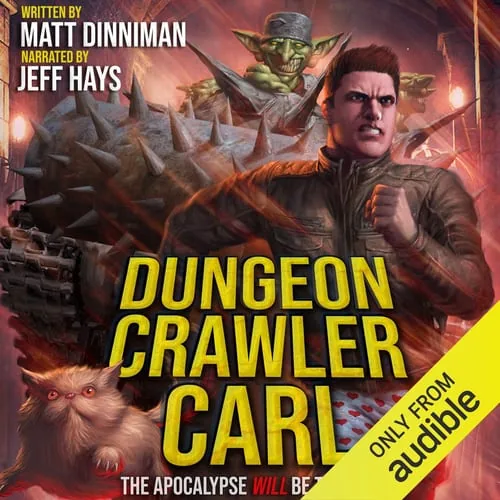
Top pick: Dungeon Crawler Carl by Matt Dinniman (4.9★, 61,400 reviews, 13.5 hours for Book 1). The one everyone measures against. A human and his cat trapped on an alien game show with 18 floors to conquer. Combines everything dungeon crawlers do well: progression, combat, strategic decision-making, and emotional beats. Jeff Hays' narration is exceptional—he captures Carl's desperation, humor, and growth across the series.
Why audiobooks excel in this subgenre: Combat scenes need energy, and narrators bring that. Monster encounters are described vividly. The progression from weak protagonist struggling against basic enemies to powerful protagonist casually destroying former bosses lands harder when narrated with growing confidence and capability.
Also try: Underworld: Level Up or Die by Apollos Thorne (brutal dungeon survival) or Dungeon Born by Dakota Krout (inverted perspective: you ARE the dungeon).
Progression Fantasy: The Methodical Path to Power
What it is: Characters grow stronger through deliberate training, cultivation, or leveling. The core appeal is watching someone systematically increase in power over time through effort and improvement. Subgenres like cultivation and training-focused fantasy live here.
The appeal: There's something deeply satisfying about methodical growth. You see exactly where the character starts, exactly where they are now, and exactly what separates them from their next milestone. Unlike dungeon crawlers where progression happens through equipment and leveling, progression fantasy often shows training montages, technique refinement, and hard-won breakthroughs. The journey matters as much as the destination.
Pacing: Slower and more deliberate. A single training arc might take 10 hours. Breakthroughs feel earned because you've watched the buildup.
Emotional range: Hopeful and inspiring. Even when characters face setbacks, there's a sense that determination leads to improvement.
Top pick: Cradle: Unsouled by Will Wight (4.7★, 8,900 reviews, 8 hours + 11 sequels). Lindon is born without the ability to walk the path to power in a cultivation-focused world. Most people would give up. Lindon doesn't. Over 12 books (60+ hours total), you watch him find unconventional solutions to an impossible problem. Each book shows measurable, significant growth. Travis Baldree's narration captures the quiet determination perfectly.
Why listeners obsess over this subgenre: The satisfaction of visible progress is addictive. By book 3, you're calculating Lindon's growth rate and speculating about where he'll be in 5 more books. The community builds wikis tracking every stat increase and ability unlock.
Also try: He Who Fights with Monsters by Shirtaloon (4.7★, 29 hours)—complex magic systems with slower, more deliberate power growth. Defiance of the Fall by TheFirstDefier (4.6★)—apocalypse setting that emphasizes character growth and unique evolution paths.
Warning: If you need fast-paced action constantly, this might feel slow. Progression fantasy books spend significant time on training and preparation. If you enjoy it, you LOVE it. If you don't, it feels like grinding.
Apocalypse / System Awakening: When the World Changes Overnight
What it is: Earth (or another familiar world) undergoes a sudden transformation. A game-like system activates, monsters appear, dungeons manifest in cities. Ordinary people must adapt or die. The plot engine: system arrives → chaos → survival → adaptation → power growth.
The appeal: What would actually happen if a fantasy RPG system appeared on Earth tomorrow? Apocalypse LitRPG answers that question with consequences. Unlike other subgenres where characters are already aware of game mechanics, apocalypse LitRPG protagonists are confused, scared, and learning the rules in real-time (along with the reader). Early stakes feel urgent because the world is actively ending.
Pacing: Fast in the first book. Slower as the world stabilizes and new power structures form. Time matters differently—days of system-enabled evolution might equal years of normal training.
Emotional range: Tense and dramatic. Even cozy apocalypse LitRPG carries an undercurrent of danger because the baseline has shifted.
Top pick: Defiance of the Fall by TheFirstDefier (4.6★, 7,100+ reviews, 38 hours). An ancient system awakens. Zac, a normal guy, discovers a unique evolution path. The first book combines apocalypse chaos with personal growth and relationship building. The series expands to 10 books, showing how a world adapts to permanent magical change.
Why audiobooks shine here: The confusion and discovery feel visceral when narrated. Hearing a character's panic as monsters first appear, then their growing confidence as they adapt—that emotional arc is powerful on audio.
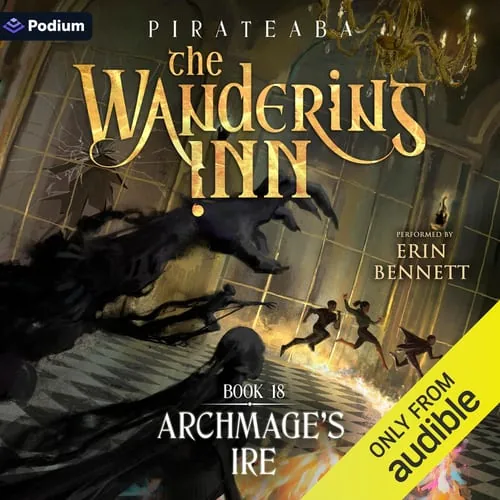
Also try: System Apocalypse by Tao Wong (realistic, grounded take on civilization under system-driven change) or The Wandering Inn by pirateaba (cozy-meets-apocalypse tone).
Warning: If you want escapism without real stakes, proceed carefully. These books take the "world has changed" premise seriously.
Monster MC: The Non-Human Perspective
What it is: The protagonist is not human. They might be an ant, a slime, a dungeon core, a spider, or a dragon. The appeal: experiencing the world from a completely alien perspective.
The appeal: After reading 100+ books where the protagonist is a transported human or a born-in-world human, there's something refreshing about being literally something else. Monster MC forces the story to explore different concerns: an ant protagonist worries about colony survival and avoiding predators. A slime protagonist explores identity when they can reshape themselves literally. The familiar "person in a game system" framework becomes genuinely novel.
Pacing: Varies wildly depending on the creature. Ant colonies grow gradually. Slime evolution can be rapid. The viewpoint shift often means familiar dungeon-crawling tropes get reframed completely.
Emotional range: Surprisingly deep. These stories often explore alienation, identity, and what it means to think differently. Listeners frequently report unexpected emotional responses to a dungeon core learning to feel love or an ant experiencing individuality.
Top pick: Chrysalis by RinoZ (4.8★, 9,300+ reviews, 40 hours). A human consciousness wakes up as a small ant in a massive dungeon. What could be ridiculous instead becomes genuinely compelling. You watch Anthony the ant evolve from terrified and desperate to strategic and accomplished. The colony grows from 10 ants to thousands. Jeff Hays' narration brings humanity and humor to an ant society, which should not work but absolutely does.
Why audiobooks excel: Non-human sounds and creature-specific narration make the perspective shift feel real. Listening to an ant protagonist think about pheromone signals differently makes you actually feel like you're experiencing the world through a non-human lens.
Also try: Dungeon Born by Dakota Krout (a human becomes a dungeon core) or The Slime Dungeon by Jeffrey 'Falcon' Logue (protagonist is literally a sentient slime).
The gotcha: If you need human relatability immediately, this might not grab you. These stories earn their emotional impact around hour 10–15, not hour 1–3.
Cozy / Slice of Life: The Comfort LitRPG
What it is: Lower stakes, wholesome adventures. Focus on community building, farming, crafting, or peaceful exploration. Combat might exist, but it's not the core. The protagonist often actively rejects the "become powerful and famous" path in favor of building a good life.
The appeal: For listeners fatigued by high-stakes drama and constant danger, cozy LitRPG offers something radical: a story where things are okay. The protagonist has power but uses it for peaceful purposes. Village building, relationship development, and quiet satisfaction replace dungeons and boss fights.
Pacing: Slow and meditative. A long cozy audiobook might cover one year of in-world time. You're not rushing toward a climax; you're savoring the process of building something good.
Emotional range: Warm, occasionally funny, often touching. When emotional moments come, they hit hard because the baseline is peaceful.
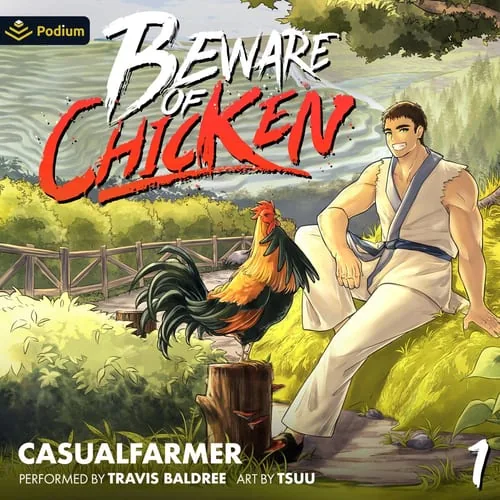
Top pick: Beware of Chicken by Casualfarmer (4.9★, 11,200+ reviews, 12.5 hours for Book 1). Jin, a cultivator from a high-pressure world, decides he's done. He buys land, settles down, and focuses on farming and community. The system mechanics are there, but they serve the story of peace. Travis Baldree narrates his own book, bringing warmth and genuine affection to the characters. By hour 15, listeners report crying (happy tears) as Jin helps his community and they help him back.
Why audiobooks excel: The warmth and humor land differently when narrated. The cozy atmosphere is easier to maintain consistently across hours of narration than prose. Travis Baldree's specific voice and performance make you feel like you're sitting on Jin's porch listening to his story.
Also try: Anything by Casualfarmer (The Wandering Inn has cozy elements mixed with apocalypse stakes) or Pastoral Fantasy audiobooks that incorporate light LitRPG elements.
The gotcha: If you need constant tension and dramatic stakes, cozy might feel slow. If you're burned out on intensity, it's perfect.
VR / GameLit: Inside the Game
What it is: Characters log into a virtual reality game (or inhabit one). The "real world" exists alongside the game world, creating stakes around real-world consequences of in-game actions, game economics, competitive rankings, and blurred reality lines.
The appeal: Familiar to anyone who's read Ready Player One or played MMORPGs. There's built-in meta commentary about gaming culture, virtual worlds, and what games mean to people. The protagonist is explicitly a gamer navigating a game, which changes how they approach problems.
Pacing: Varies. Some VR LitRPGs move fast (competitive climbing). Others are more methodical (building a virtual business).
Emotional range: Often explores identity and belonging. VR games become spaces where misfits find community, broken people heal, or dreamers build legacy.
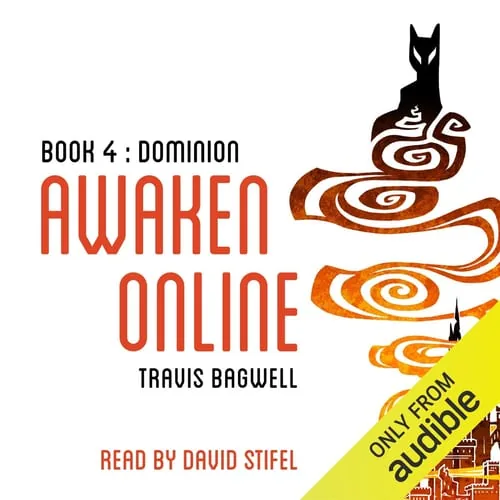
Top pick: Awaken Online by Travis Bagwell (4.6★, 7,200+ reviews, 13 hours). Jason logs into a new full-dive VR game and discovers shadow magic—a powerful but morally ambiguous school of magic. The game's AI learns to respond to Jason's unique approach, creating a narrative where his choices matter. The writing explores what immersive games mean and what power without oversight teaches people.
Why audiobooks work: VR + gamelit benefits from narration that distinguishes in-game and real-world dialogue. Hearing the shift in tone when the character logs in/out reinforces the reality divide.
Also try: Ascend Online by Luke Chmilenko (4.6★)—Marcus discovers he can break the rules of a new VR MMO, leading to creative problem-solving and game-economy disruption. Awaken Online has 6 books, giving you plenty to explore.
The overlap: VR LitRPG walks the line between LitRPG and conventional gaming fiction. These appeal equally to gamers and general fantasy readers.
Cultivation: The Eastern Path to Power
What it is: A system inspired by Chinese xianxia and webnovels where characters advance through stages by refining spiritual energy. Cultivation uses different terminology than Western LitRPG (realms instead of levels, breakthrough instead of level-up), but the core mechanic—visible progression through effort—remains.
The appeal: Cultivation feels more philosophical and less video-game-like. Characters don't just gain power; they gain understanding, wisdom, and transcendence. A breakthrough isn't just mechanical—it's spiritual. The pacing is slower, the journey more introspective.
Pacing: Methodical and longer-scale. A single realm breakthrough might take 6–10 hours of audiobook. Time scales are epic (characters might train for a year to advance one stage).
Emotional range: Philosophical, occasionally dark (cultivation often involves sacrifice), sometimes transcendent.
Top picks: Cradle: Unsouled by Will Wight (already mentioned in Progression Fantasy, but it's definitively cultivation) and Beware of Chicken (cozy cultivation).
Why audiobooks excel: Eastern cultivation philosophy benefits from meditative narration. Listening to descriptions of spiritual advancement, energy refinement, and breakthrough moments feels more immersive on audio than on the page.
Also try: Mother of Learning by Nobody103 (43 hours, time loop cultivation mystery) or Forge of Destiny by Yrsillar (character-driven cultivation with political intrigue).
The caveat: Cultivation LitRPG can feel slow to readers accustomed to Western progression fantasy. If you're impatient with methodical growth, sample before committing.
Other Subgenres Worth Exploring
Dungeon Core — You ARE the dungeon. You build monsters, traps, and environments to defend against adventurers while growing stronger. Requires a complete perspective shift from typical protagonist stories. Dungeon Born by Dakota Krout (4.7★, 8 hours) is the entry point.
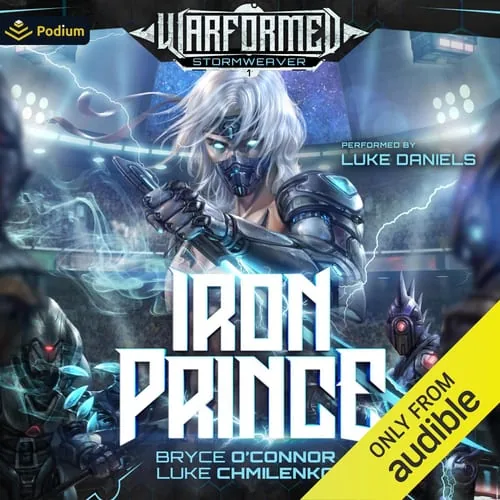
Sci-Fi LitRPG — Science fiction meets RPG mechanics. Characters might be in space, using advanced tech, or navigating AI-powered worlds. Iron Prince by Bryce O'Connor (4.7★, 12 hours) blends military academy drama with sci-fi progression. Requires interest in both genre simultaneously.
Time Loop — Characters repeat the same period, getting stronger each cycle. The appeal: do-overs and mastery through repetition. Mother of Learning by Nobody103 (4.6★, 43 hours) is the definitive example—a student loops through time and must solve a mystery while improving his abilities.
Academy — Magical school settings with training, competition, and secrets. Characters progress through formal education. Mark of the Fool by J.M. Clarke (4.6★, 28 hours) features detailed worldbuilding and mystery alongside progression.
Urban Fantasy — Modern-day cities with hidden magical systems. The protagonist navigates magic while maintaining normal life. Paranoid Mage by InadvisablyCompelled (4.6★) explores how magic works in legal systems and everyday reality.
Reincarnation — Characters are reborn with memories of past lives. Identity becomes central. Legend of the Arch Magus by Michael Sisa (4.4★) explores what it means to have lived multiple lives and how that shapes decisions.
LitRPG Subgenres At a Glance — Which Should You Listen To?
| Subgenre | Top Pick | Tone | Avg Length | Pacing | Best For |
|---|---|---|---|---|---|
| Dungeon Crawl | Dungeon Crawler Carl | Action + Comedy | 13.5h | Fast | Gamers, action lovers, humor seekers |
| Progression Fantasy | Cradle: Unsouled | Inspiring + Epic | 8-12h each | Slow→Epic | Patient listeners, training enthusiasts |
| Cultivation | Beware of Chicken | Philosophical + Cozy | 12.5h | Meditative | Eastern fantasy fans, peace seekers |
| Monster MC | Chrysalis | Creative + Emotional | 40h | Methodical | Unique perspective seekers, empaths |
| Cozy/Slice of Life | Beware of Chicken | Warm + Wholesome | 12.5h | Relaxed | Comfort listeners, burnout recovery |
| Apocalypse | Defiance of the Fall | Tense + Urgent | 38h | Fast | Post-apocalyptic fans, survival lovers |
| VR/GameLit | Awaken Online | Immersive + Meta | 13h per book | Moderate | Gamers, tech readers |
| Dungeon Core | Dungeon Born | Strategic + Creative | 8h | Slow | Strategy fans, perspective-shifters |
Frequently Asked Questions
What are the main LitRPG subgenres, and which is most popular?
The main subgenres are Dungeon Crawl, Progression Fantasy, Apocalypse/System Awakening, Monster MC, Cozy/Slice of Life, VR/GameLit, Cultivation, Dungeon Core, Academy, and Urban Fantasy. Based on Audible sales and review counts, Dungeon Crawl (led by Dungeon Crawler Carl at 4.9★, 61,400+ reviews) and Progression Fantasy (led by Cradle at 4.7★) are most popular. However, popularity varies by platform and listener demographics.
What is the difference between LitRPG subgenres vs. LitRPG vs. GameLit vs. Progression Fantasy?
LitRPG is a specific genre requiring visible game mechanics (stats, levels, skill trees). GameLit is broader—any game-like elements qualify. Progression Fantasy is the broadest umbrella—any story about characters growing more powerful. Subgenres within LitRPG specify HOW that progression happens and what tone the story carries. Example: Dungeon Crawl LitRPG and Cozy LitRPG are both LitRPG but appeal to completely different audiences.
Should I start with Dungeon Crawl LitRPG or Progression Fantasy?
Start with Dungeon Crawl if you like action, clear goals, and steady progression against mounting challenges. Start with Progression Fantasy if you like slower, more introspective power growth and don't need constant combat. Most new listeners find Dungeon Crawler Carl (dungeon crawl) more immediately engaging, but Cradle (progression fantasy) has higher long-term engagement due to its complete 12-book series. Your preference for pacing matters more than genre popularity.
What is the best LitRPG subgenre for comfort listening?
Cozy/Slice of Life LitRPG, specifically Beware of Chicken by Casualfarmer (4.9★, 12.5 hours for Book 1). It's explicitly designed as wholesome, relaxing, and emotionally supportive. No major threats, no constant danger, just a person building a good life. If you want something with slightly more plot but still comfortable, try small-scale academy or village-building LitRPG.
Can I listen to LitRPG subgenres in any order, or is there a recommended progression?
There's no required order. Each subgenre is independent. However, many listeners find starting with either Dungeon Crawler Carl (dungeon crawl) or Beware of Chicken (cozy) to be a gentler introduction before exploring more niche subgenres like Monster MC or Dungeon Core. Personal preference matters more than entry order.
What makes Monster MC LitRPG different from regular LitRPG with monsters?
Regular LitRPG has human protagonists fighting monsters. Monster MC makes the protagonist the non-human creature (ant, slime, dragon, dungeon core, etc.). This completely changes the story's concerns: instead of defeating enemies, the protagonist navigates being alien. Chrysalis is the best example of this—the emotional impact comes from experiencing the world as a literal ant, not from fighting enemies.
Data Sources: Ratings, review counts, and audiobook lengths cited in this guide are sourced from Audible, Goodreads, and Royal Road as of April 2026. These figures may change over time as new reviews are submitted.
How We Review: Our recommendations are based on a weighted methodology covering narration quality, progression system design, story quality, and community reception. Read our full methodology
Affiliate Disclosure: This guide contains affiliate links to Audible and Amazon. As an Amazon Associates participant, we earn from qualifying purchases at no extra cost to you. Affiliate relationships do not influence our ratings or recommendations. Learn more